Beyond "Happy Father's Day": How to Write a Hamper Message That Actually Means S
If you’ve ever found yourself staring at a beautiful basket of artisanal goods—a gourmet cheese, some fancy coffee blend, a nice bottle of whiskey—and then pausing because the accompanying card feels utterly insufficient, congratulations. You are experiencing what we call gift empathy. It is the sudden, intense realization that putting together a lovely collection of things isn't enough; the heart needs to be in the words.
We’ve all been there: standing in the gift aisle, surrounded by perfect little objects, knowing that the true centerpiece of any thoughtfully curated hamper isn't the expensive artisanal mustard or the locally roasted beans. It’s the message. The card is the emotional anchor. And when asked to summarize a lifetime of memories and appreciation into 20 neat lines, it can feel impossible.
But here is the good news: personalization doesn't require poetic genius; it requires specific observation. You don't need flowery language or perfect rhyme schemes. You just need to remember three things that only you know.
Shifting Focus: From Compliment to Connection
The most common trap in gift-giving messaging is the reliance on generalized compliments. We default to "You're the best dad" or "Happy Father’s Day." While true, these phrases are so generic they act like background noise—nice, but forgettable.
To make your message feel deeply personal, you must move from stating how great he is to proving it with evidence. Think of your hamper card not as a greeting, but as a mini-retrospective. It’s an invitation to memory.
How do we shift the focus? Try this simple formula: (General compliment) + (Specific moment/memory) + (Impact on my life).
For example, instead of writing, "You are always so funny," try: "I still laugh thinking about that time you tried to fix the lawnmower with duct tape. Your sheer enthusiasm for problem-solving never fails to make me smile." See how quickly it becomes vivid? It grounds the emotion in reality.
The Three Pillars of a Meaningful Message
When the blank card stares back at you, don't panic-write. Instead, approach your message with one of these three structural pillars. They will guide you toward authenticity, no matter what kind of dad you are writing to.
1. The "Nostalgia Lane" (For Parents/Close Family)
This is the safest and often sweetest route. The goal here is to evoke a shared memory that highlights his character—his patience, his weird sense of humor, or his unwavering support.
- Focus on: A recurring moment, an inside joke, or something he taught you years ago (e.g., how to change a tire, bake bread, navigate a difficult conversation).
- Example prompt: "What is one thing we did together that made us laugh until our stomachs hurt?"
2. The "Appreciation Architect" (For Partners/Spouses)
This pillar moves beyond just 'dad duties' and acknowledges his role as an individual, partner, or friend. It shows you see him outside of the family structure. This is where true depth often lies.
- Focus on: His passions, his work ethic, his specific kindnesses, or how he makes you feel at ease.
- Example prompt: "What is one unique quality about him that makes our life together richer?" (E.g., his ability to listen without interrupting; his dedication to a hobby).
3. The "Future Focus" (For Mentor/Friend Figures)
If your relationship is more of an admiration-based mentorship—a friend who is also like a dad—focus on the impact he has on your future self. This shows gratitude for continued guidance.
- Focus on: Things you plan to do together, lessons learned that will guide you, or how his steady presence makes you feel confident in your own life path.
- Example prompt: "What is one piece of advice he gave me when I needed it most?"
Tone Check: Matching the Message to the Man
The tone should be as specific as the hamper contents. If the hamper is filled with ridiculous novelty socks and spicy jerky, a solemn, deeply poetic message will feel jarringly out of place. Your words need to match the spirit of the gifts you chose.
A quick note on humor: Humor is wonderful, but it must land gently. Never use sarcasm or "inside jokes" that require the reader (his mother, partner, etc.) to fully understand. Keep the joke focused purely on him and your shared history. Lightheartedness works best when paired with genuine sincerity.

I remember writing a message for my own dad once. I spent hours agonizing over a perfect, sentimental paragraph. When I finally wrote it out, it sounded like something from a greeting card factory—too polished, too predictable. My brother gently pulled me aside and said, “Just write the first three things that pop into your head when you think of him.” It was clumsy, deeply specific, and utterly perfect. Sometimes, less structured is more sincere.
The Final Touch: Presentation Matters Just as Much as Content
The message itself needs a little staging to feel elevated enough for such a thoughtful gift. Think of the card not just as paper, but as another object in Food Lover the hamper.
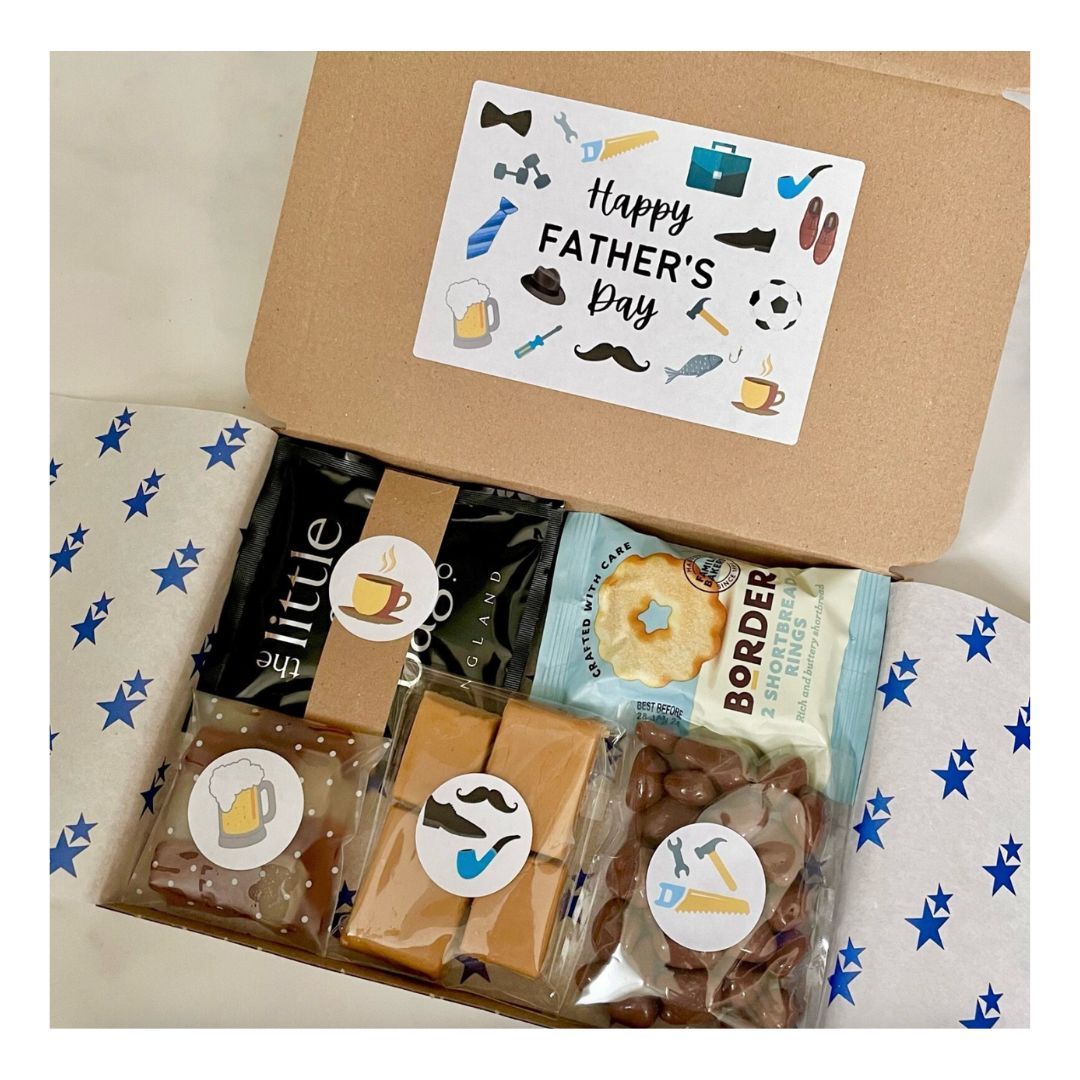
Consider these presentation tweaks:
- Handwriting vs. Typing: If you can write it by hand, do it. The slight imperfections are part of the charm and signal extra effort.
- The Medium: Don't just use a standard card. Write the message on a bookmark, inside the lid of a small box, or even tie it to a ribbon that circles the hamper itself. This makes the reveal more impactful.
- Pacing: If you have multiple people contributing messages (e.g., siblings), designate one person to write the core emotional piece, and others can add short, funny bullet points about shared memories on separate tags.
The best gifts are those that feel deeply seen. Whether you’re writing a paragraph or just three specific memories, your goal is to communicate this: Take a look at the site here "I pay attention to you." That observation—that recognition of the person beyond the role—is the most valuable thing in any hamper, and it costs nothing but time.
This thoughtful act doesn't have to be limited to Father’s Day. Finding ways to anchor appreciation in specific memories is a practice that enriches every relationship throughout the year. So, next time you find yourself gathering beautiful things for someone special, remember that the physical gift is simply the container; the story—the message—is the enduring treasure.